Colorado’s seasonal rhythm and the roof
Colorado sees hot summers, cold winters, and sudden weather shifts. That cycle can stress roofing materials differently depending on where you live in the state. A statewide approach means maintenance that covers all seasons and all climates you might encounter from the plains to the mountains.
Preventive care starts with a simple routine. Each season brings different vulnerabilities. Spring often brings wet weather and the tail end of storms, summer brings sun exposure, fall brings leaves and wind, and winter brings ice and weight from snow. A proactive plan keeps your roof in better shape year round.
Seasonal steps you can take statewide
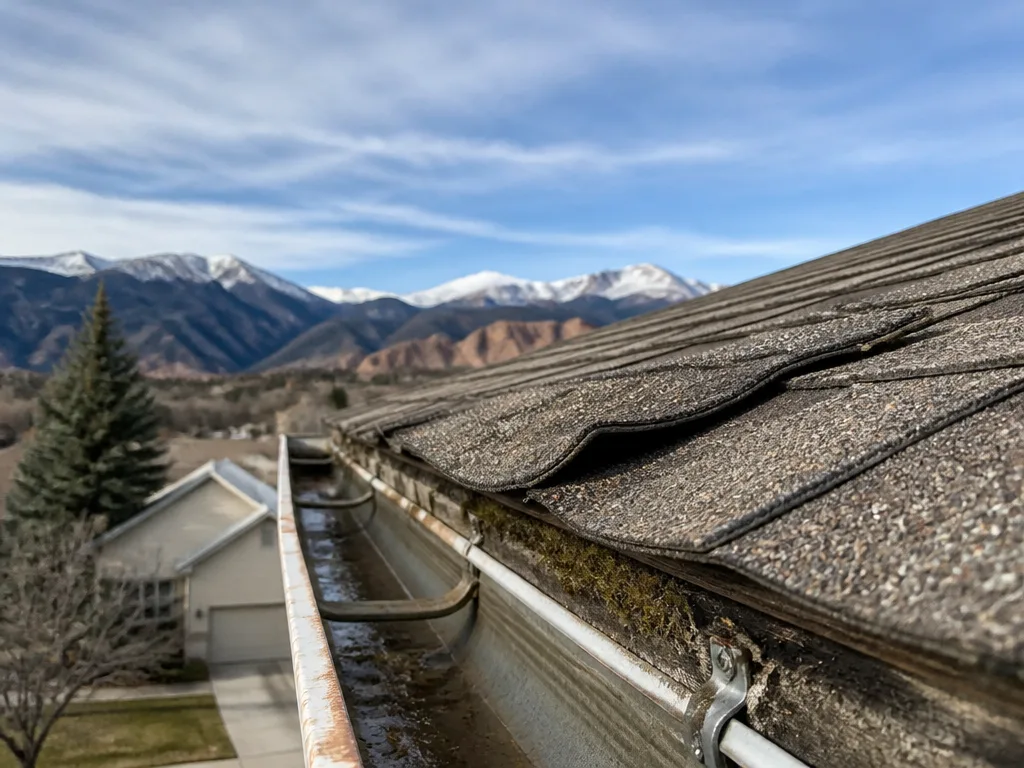
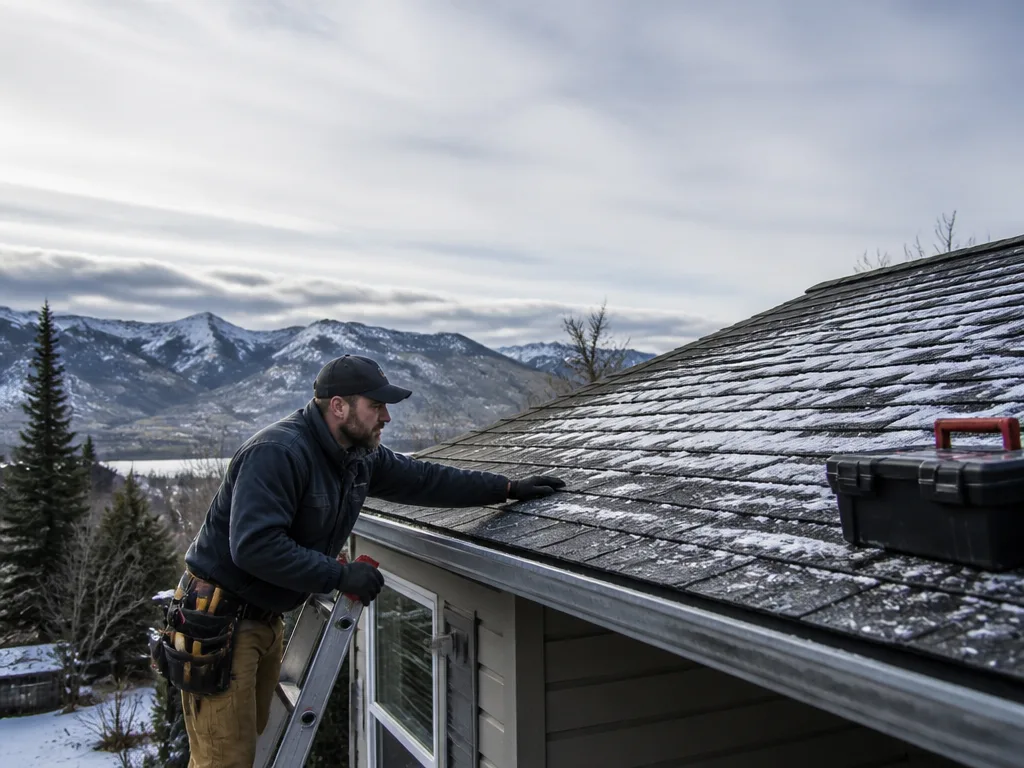
Spring cleanup: clear debris from gutters and downspouts so water flows away from the roof and foundation. Inspect the skylights and chimney flashing for gaps after winter. Summer checks: look for any signs of wind scouring, sun damage, or loose shingles that might have developed during peak heat. Fall focus: ensure ventilation is balanced, trim overhanging branches, and prepare for leaf buildup that can clog gutters. Winter readiness: confirm ice dams aren’t forming and that attic insulation is adequate to keep moisture in check.
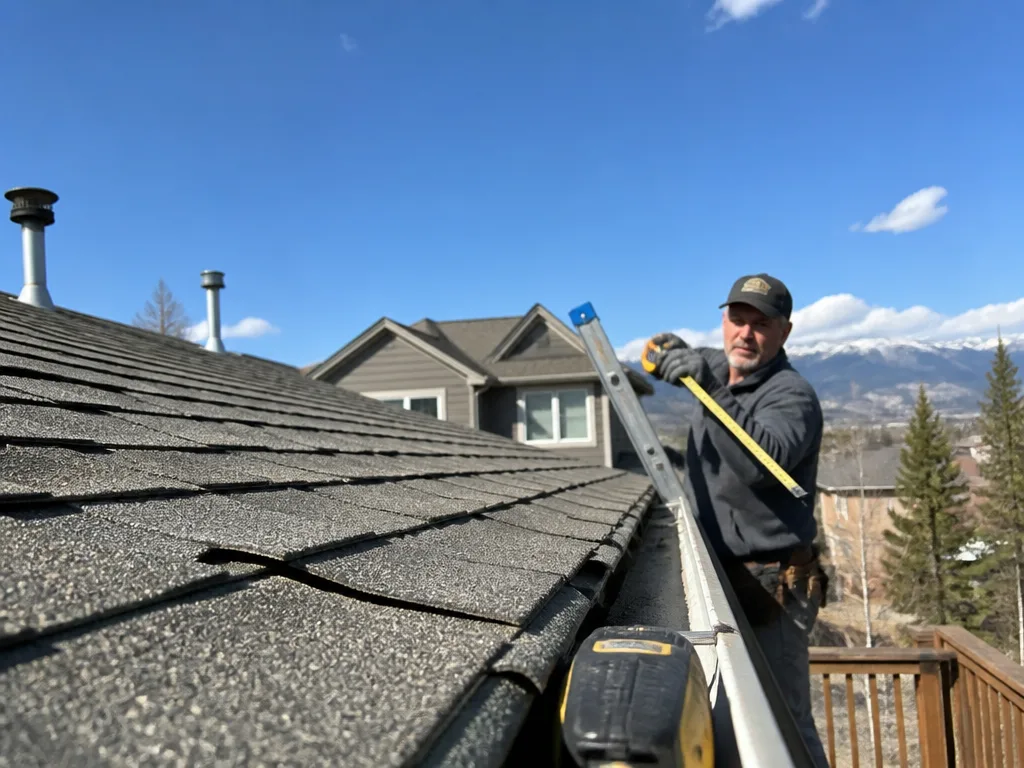
For Colorado homeowners, a quarterly roof review with a roofer can catch issues before they become costly. Our statewide Colorado crews can tailor maintenance schedules to your home’s exposure, whether you’re on the plains or higher elevations.
Materials and protection that suit Colorado
Material choices matter in Colorado. Durable shingles, sealed flashing, and properly installed underlayment help resist weather extremes. Ask about ventilation and attic insulation as part of your seasonal plan. A good setup reduces heat buildup in summer and moisture problems in winter, which protects your roof deck and helps your energy bills year round.
Practical maintenance tips
Keep an eye on solar exposure and fading of colored shingles, a sign of aging materials. Maintain consistent gutter flow with seasonal clearing. If you’ve had hail or severe weather, consider a professional inspection to verify there’s no hidden damage that could lead to leaks later on.